Typesetting on the web has evolved from a quirky afterthought into an invaluable practice. Within a span of twenty years complex interfaces that adapt to their environment, as well as an overwhelming number of typefaces, have bloomed all around us. Likewise, using animations and transitions or balancing display text in conjunction with powerful OpenType features became not only possible but expected. So where do we go from here? What are the skills we need to contribute to the future of typography? And what do two ghostly figures from the 15th century have to do with that future?
At this point, we are left to answer a critical question. How can we decide when to overrule our common sense? What should we do in the many, almost daily, situations where it’s impossible to verify the validity of a statement? When can we trust common talk? […] I suspect the answer cannot be found in a positive theory of certainty, but in the acceptance that, as humans, our destiny is to live, and act, in doubt.
I finally managed to read this terrific piece by Stefano Zorzi and I can’t help but think the answer to these questions lies in fully embracing hermeneutics not as just a tool, but instead as the very foundation of being, as brilliantly argued by philosopher Gianni Vattimo in his groundbreaking 1983 essay “Dialectics, Difference, Weak Thought”.
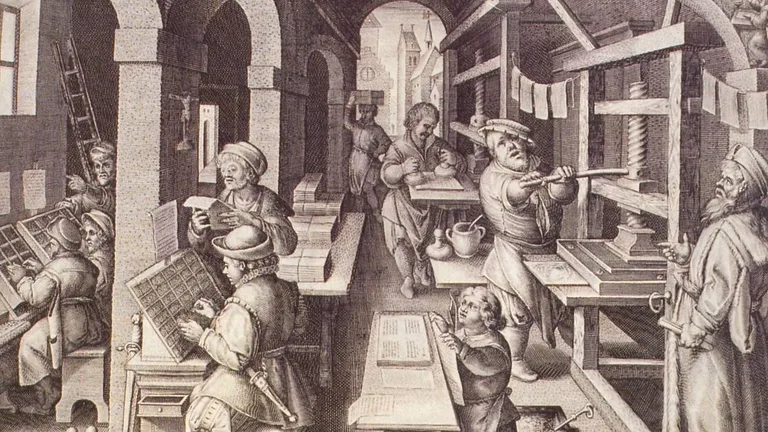
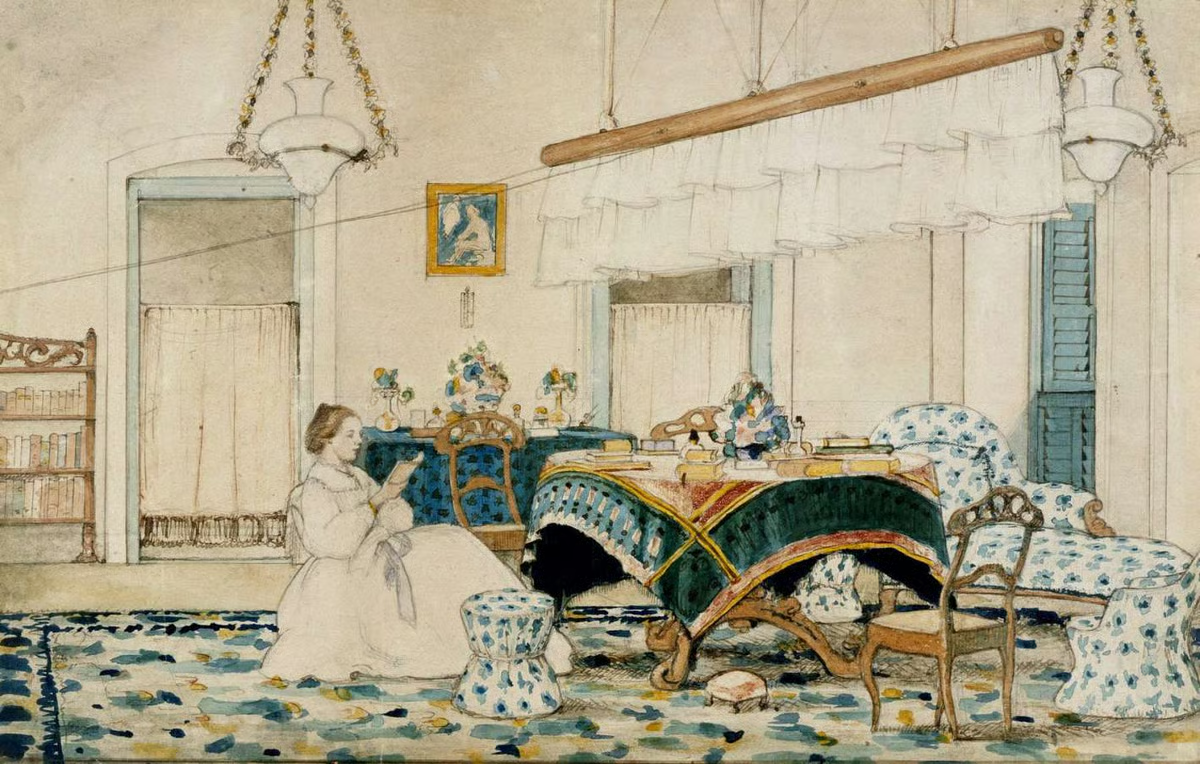
For centuries, Europeans who could read did so aloud. The ancient Greeks read their texts aloud. So did the monks of Europe’s dark ages. But by the 17th century, reading society in Europe had changed drastically. Text technologies, like moveable type, and the rise of vernacular writing helped usher in the practice we cherish today: taking in words without saying them aloud, letting them build a world in our heads.
If a relatively small typographic advancement had such a profound impact on the way we construct reality, imagine what being constantly interconnected with every other individual in the world will mean for future generations.
So why do these sensibilities differ? Why is it that French people won’t talk about their salaries, but will take off their bikini tops? Why is it that Americans comply with court discovery orders that open essentially all of their documents for inspection, but refuse to carry identity cards? Why is it that Europeans tolerate state meddling in their choice of baby names? Why is it that Americans submit to extensive credit reporting without rebelling? These are not questions we can answer by assuming that all human beings share the same raw intuitions about privacy. We do not have the same intuitions, as anybody who has lived in more than one country ought to know. What we typically have is something else: We have intuitions that are shaped by the prevailing legal and social values of the societies in which we live.